Introduction
A “low cost” home elevator does not have to mean a low quality elevator. The Indian market has matured to the point where a properly-engineered, CE-marked home lift can be installed in a 2–4 floor home for far less than buyers expect — provided you know which compromises are safe and which ones are not.
Key Points
- Realistic budget for a 2-stop home lift in India in 2026: Rs. 4.5 – 6.5 Lakh ex-works
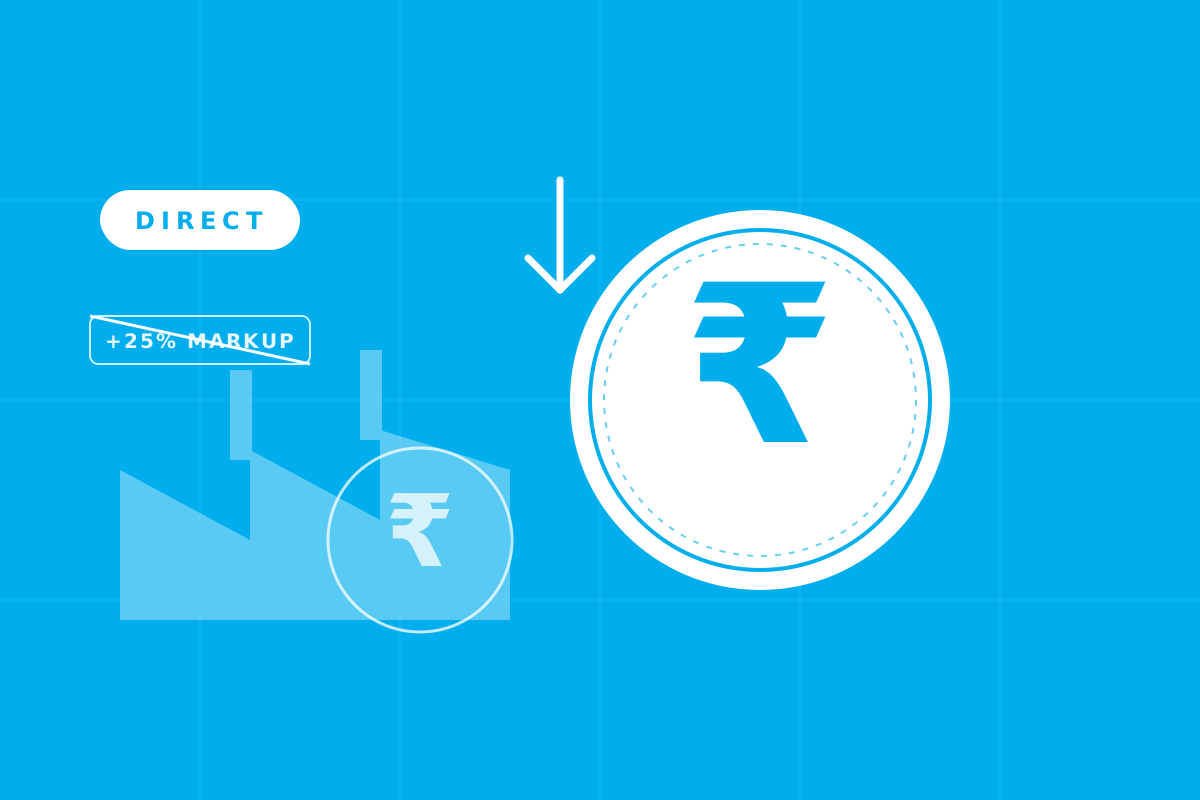
- Buying from a manufacturer (not a dealer) is the single biggest cost saving — typically 20–35%
- ISO 9001:2015 quality and CE marking are non-negotiable, even on the lowest-cost lift
- Cabin finish, door type and travel speed are the three biggest cost levers you can adjust
- Annual Maintenance Contract (AMC) cost over 10 years often exceeds the original purchase price difference between brands
Overview
“Low cost” in the Indian home lift market typically means one of three things: a smaller cabin (2–3 person), a shorter travel (2–3 stops), or a simpler drive technology (hydraulic or MRL traction instead of geared). The good news is that none of these compromises affect safety when the lift is CE marked.
What you should not compromise on is the manufacturer’s service network, the certification of the controller and safety gear, and the warranty terms. These are the items that quietly become expensive over the life of the lift.
Budget-Friendly Options
| Type | Best For |
|---|---|
| Hydraulic Home Lift | 2–3 floor bungalows, simple installs |
| MRL Home Lift | 3–4 floor villas, no machine room |
| Vacuum Home Lift | Retrofits — no shaft / pit needed |
| Capsule (Compact) | Design-led homes on a budget |
Where to Save (and Where Not to)
Safe to save: powder-coated cabin (vs stainless steel), manual swing landing doors (vs auto-telescopic), 0.4 m/s travel speed (vs 1.0 m/s). These cuts add up to Rs. 1–2 Lakh on a typical home lift without affecting safety or compliance.
Do not save on: the controller and safety gear, the quality certification (ISO 9001:2015 / CE), the manufacturer’s service contract, and the cable/sling assembly. Cutting cost on these is where lifts become unsafe or unreliable within 3–5 years.